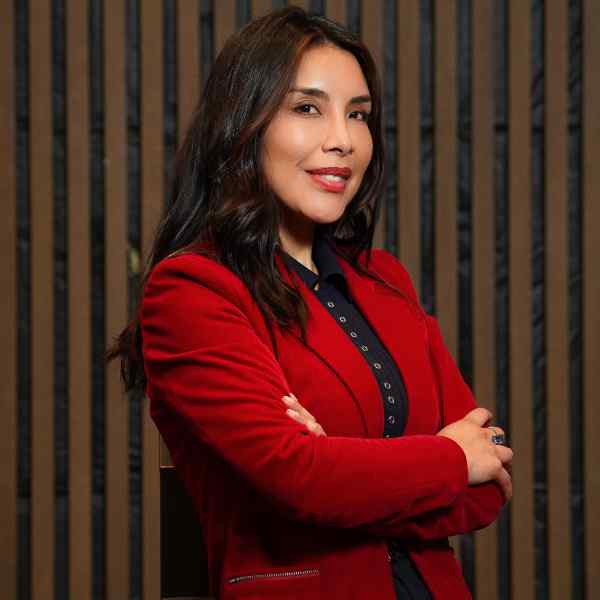
MSc Digital Health SystemsYazmin Caceres Fegrero
Introduce yourself
I am a registered dietitian from Chile with over ten years of experience in public health, clinical nutrition, and community-based programmes. Over time, I developed a strong interest in how technology can enhance care, improve access, and support vulnerable populations.
I am now part of Scotland’s digital health innovation ecosystem, developing SABRAIN, a digital solution for adolescents and young adults with brain tumours, selected for funding by Cancer Research Horizons and part of the Venture Builder Incubator at the University of Edinburgh.
In parallel, I work with the Digital Health & Care Innovation Centre (DHI) on research mapping Scotland’s digital health and care innovation landscape. My work focuses on user-centred design, innovation pathways, and understanding how digital tools can better align with human needs.
My professional purpose is to help build digital health solutions that strengthen dignity, accessibility, and real-world impact.
What were your reasons for taking on a postgraduate degree?
My decision to pursue this postgraduate degree emerged during a critical point in my career. While serving as acting director of a community health centre during the COVID-19 pandemic, I saw how digital gaps, poor data integration, and fragmented systems directly affected patients’ access and continuity of care.
These challenges made clear that digital transformation was becoming essential for improving health services - especially for vulnerable groups. I realised that to contribute meaningfully, I needed stronger skills in digital health, implementation, data, and user-centred design.
The MSc Digital Health Systems offered exactly the combination of technical and strategic knowledge I needed to transition from clinical practice to digital innovation and to support system-level change.
How did you make the decision to study at Strathclyde?
I chose Strathclyde after reviewing the MSc Digital Health Systems and learning about the academic team behind it. I was impressed by how many lecturers had strong professional backgrounds in digital health, implementation, data, design, and health systems, as well as recognised research expertise.
Knowing I would learn from academics who were also leading real-world digital health projects gave me confidence that the programme combined rigorous teaching with practical relevance. Strathclyde offered exactly what I needed: a technology-focused University with strong links to Scotland’s innovation ecosystem and a programme designed to bridge health, technology, and implementation.
What specialist knowledge/professional skills did you develop whilst studying the course?
The MSc programme helped me develop key skills for digital health. Digital Health Implementation reshaped how I understand adoption, scaling, and evaluation of digital solutions. Design of Usable Systems revealed my strengths in user-centred design, prototyping, and transforming ideas into structured digital solutions.
I also built technical foundations: Python through the big data module, SQL and database design through the database fundamentals module, and initial exposure to R. As I did not come from a programming background, I attended additional lab sessions to strengthen my skills and gain confidence.
These experiences gave me a balanced mix of implementation knowledge, design thinking, and technical literacy - skills I now use daily in Scotland’s digital health innovation ecosystem.
What are your ambitions for the future and how do you think your time at Strathclyde will help you achieve your goals?
My ambition is to continue growing as a digital health innovator and contribute to solutions that genuinely improve people’s lives. I am particularly interested in how spiritual wellbeing influences health and how this dimension can be incorporated into human-centred digital tools.
My work with the Digital Health & Care Innovation Centre gave me insight into Scotland’s innovation landscape and showed me the importance of clearer pathways for innovators. I hope to contribute to these efforts while developing technologies that enhance—not replace—human connection in care.
How have you found your time living in Glasgow and what's your favourite thing about the city?
My favourite thing about Glasgow is the people. Glaswegians are exceptionally warm, friendly, and always willing to help, and I felt this same kindness from my lecturers at Strathclyde.
The city is vibrant and culturally rich. I enjoyed the opera with student tickets, its impressive free museums, green spaces, and the beautiful Mitchell Library — one of my favourite places to study.
I also appreciated Glasgow’s dynamic tech and innovation scene. There is always something happening, and attending events helped me grow professionally and expand my network. Overall, Glasgow offers an inspiring environment for personal and academic development.
What would you say to anyone thinking of coming to study at Strathclyde?
I would strongly encourage them to choose Strathclyde. As a technological university, it offers a powerful learning environment, excellent academic support, and countless opportunities for networking, innovation, and personal growth.
The opportunities are there, but it is important to be proactive — attending events, joining activities, and making the most of the ecosystem. The central location of the campus also makes student life vibrant and accessible. Strathclyde is a place where you can genuinely expand your skills, confidence, and future possibilities.
Is there anything else you’d like to say?
This MSc marked an important milestone in my career transition into digital health. Graduating with Distinction strengthened my academic confidence and highlighted how much I grew throughout the programme. It expanded my skills, deepened my understanding of innovation, and connected me with Scotland’s digital health ecosystem. I hope future students feel empowered to explore the many opportunities the programme offers.