Statement | July 2026
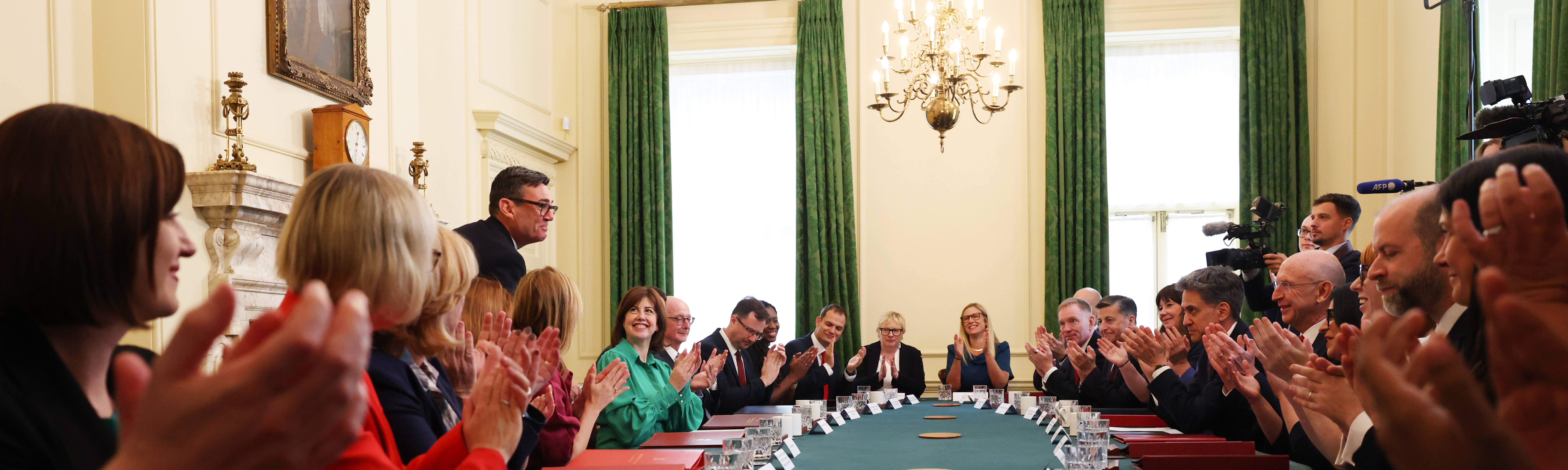
Andy Burnham and his new cabinet take office at a critical moment for UK energy policy. Households and businesses continue to face high and volatile energy costs. At the same time, the UK must maintain progress towards a more secure, resilient and lower-carbon energy system.
The Prime Minister’s early decisions indicate that household affordability will be a central priority. The government has announced that VAT will be removed from domestic electricity bills for six months from 1 October 2026. It estimates that the measure will reduce the annual Ofgem price cap by around £45 when the cap changes in October. This will provide some relief, particularly for households that rely heavily on electricity. However, gas users will not benefit from this policy, over a winter period where a majority of UK consumers will use gas to heat their homes.
These early measures show that the new government acknowledges the urgent need to make energy more affordable. Energy affordability and equity have long been key areas of focus for the Centre for Energy Policy. Therefore, the Centre welcomes this announcement by Burnham, but highlights that actions on energy affordability must form a wider and sustained strategy. This should include targeted support for households in greatest need, investment in energy efficiency, fair and accessible consumer tariffs, and careful consideration of how the costs of the energy transition are funded.
Our research has consistently highlighted that the method used to fund energy and net zero policies matters. Placing policy costs on energy bills can impose a disproportionate burden on lower-income households, which spend a greater share of their income on essential energy.
The government has also announced that the cap on single bus fares in England outside London will fall to £2 from 1 January 2027 and remain at that level throughout 2027. The government has committed £400 million to support the measure. This decision is relevant to CEP’s work on transport poverty. Limited or unaffordable transport can restrict access to employment, education, healthcare and other essential opportunities. A lower fare cap can help address the affordability dimension, but it must sit alongside reliable, accessible and safe local transport services.
The issue of energy affordability was central to CEP’s recent Affordable Energy Bills in a Volatile World roundtable during Net Zero Week in Parliament. We brought together fellow researchers, energy charities and MPs at Westminster and identified four areas of priority for government action.
The new government’s first announcements touch on several of these priorities. Much more detail will be needed, particularly on the future of North Sea oil and gas, home energy efficiency, clean heating, industrial energy costs, energy market reform and the delivery of the UK’s existing net zero commitments. It will be important for the government to have clear objectives assigned to each of its upcoming policies and, as these topics are interlinked, employ a whole system approach in order to achieve the best possible outcomes against its objectives.
Further policy announcements are likely over the coming weeks and months. The Centre for Energy Policy will continue to assess emerging developments and contribute independent evidence on how the UK can deliver affordable energy, greater energy security and an equitable and prosperous transition to net zero.
Image credit: Number 10 Flickr