Blog | Paulina Gonzalez-Martinez | March 2026
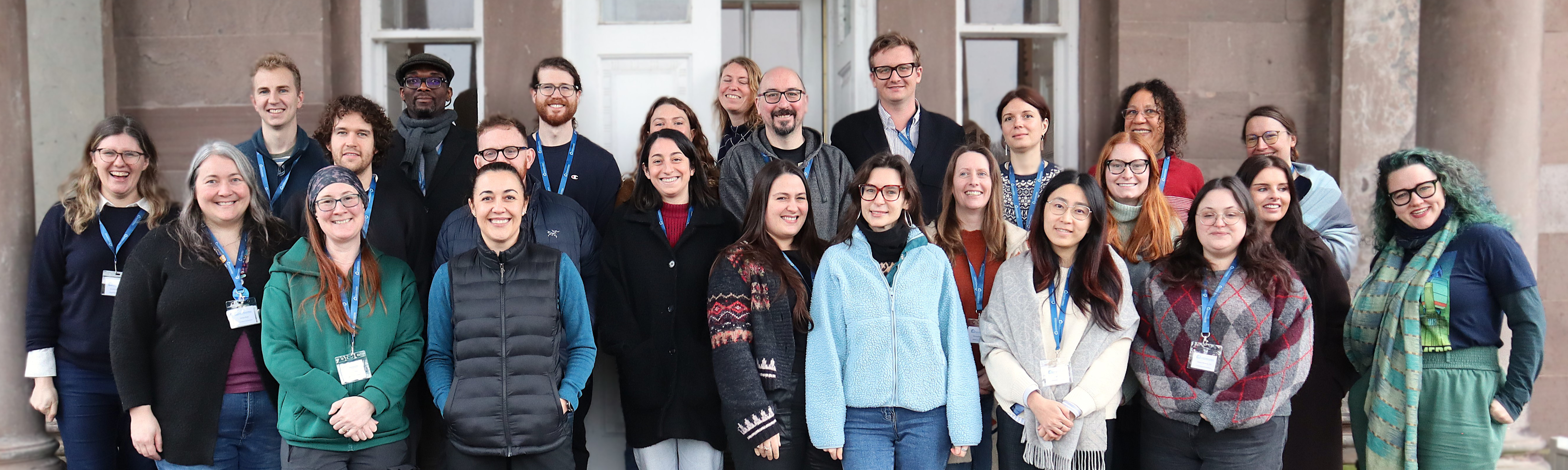
This January, I had the opportunity to join colleagues from across Scotland for a two-day workshop on Public Engagement and Research Impact, organised by the Scottish Research Alliance for Energy, Homes and Livelihoods. The experience was eye-opening, not only because of the ideas shared, but also because it revealed how early- and mid-career researchers understand impact and knowledge exchange.
At the Centre for Energy Policy (CEP), we’ve long seen engagement with stakeholders from civil society, policy, academia and industry as a foundation of our work. Our research shapes energy, climate, and industry policy related to the UK and Scotland’s net zero transition. That means working with government, industry and communities to ensure our analysis supports fair, sustainable and practical outcomes. In other words, impact isn’t something we add on at the end; it’s built into our purpose.
From REF to Real-world Change
As UK universities prepare for the next Research Excellence Framework (REF 2029), many conversations are turning once again to how we understand, plan for, and evidence impact. The REF process underscores what has become clear across the research landscape: knowledge creation alone is not enough. To shape change, be it in policy, industry, health, or everyday lives, research should be purposeful, collaborative, and outward-looking.
UK Research and Innovation (UKRI) defines impact as: “the demonstrable contribution that excellent research makes to society and the economy.” That contribution can take many forms. From cultural and economic benefits to a higher quality of life and better public policy. But achieving it is rarely straightforward. As the workshop reminded us, impact relies not only on excellent research but also on how we build relationships through dialogue, trust and shared understanding between academics and society.
At CEP, for example, our partnerships with policymakers, businesses, and civil society organisations help ensure that complex analyses translate into usable, relevant evidence. Through these collaborations, we seek to inform and influence decision-making to shape a fairer, more prosperous transition to net zero.
Purpose, People, and Process
At the workshop, we examined the role of public engagement, a core element of effective knowledge exchange, which involves three essential components that can help us understand how research collaborations can generate meaningful impact:
- Purpose is about defining what we want to change. Are we trying to inform policy, improve services, influence behaviour, or empower communities? Clarity of purpose helps us identify what kind of evidence, relationships, and activities are needed.
- People sit at the heart of any impact journey. Who are the audiences and stakeholders that matter? Policymakers, industries, communities, and civil society. Each group demands different kinds of engagement and communication.
- Process is how we connect: dialogue, co-creation, social media, workshops, placements, or long-term partnerships. Each method opens different routes to influence.
Together, these three pillars remind us that impact is not an outcome to be reported at the end of a project. It’s the product of a thoughtful design process that begins before the research even starts. But how can researchers embed impact from the outset?
Logic Models and Theories of Change as Tools for Knowledge Exchange
Logic models and theories of change are tools that can help researchers articulate the pathway from research to impact. They allow us to think about: What will be different because of this research? Who will benefit? How will we know it worked?
These frameworks are strategic thinking tools that help teams align around purpose, identify assumptions, and set measurable goals. They encourage continual reflection and adaptation, making engagement activities easier to justify, embed, and evaluate. When researchers start by defining intended outcomes and map backwards to the activities, partnerships, and resources needed to achieve them, impact becomes evident and guides the entire research process. With REF 2029 on the horizon, it’s a timely reminder that planning for impact should be an integral part of research design, not a retrospective exercise.
Paulina is a Knowledge Exchange Associate at the Centre for Energy Policy, working at the intersection of research, policy, and public dialogue, helping to translate research into actionable insights and impact.