A University of Strathclyde engineer has been awarded a Green Future Fellowship to develop a pioneering process that could capture up to one billion tonnes of carbon dioxide (CO₂) annually.
Professor Rebecca Lunn MBE will lead research into mechanochemical reactions in silicate rocks – a low-energy method that uses mechanical force to trigger chemical reactions capable of trapping greenhouse gases.
The process works by crushing silicate rocks such as basalt and granite in CO₂-rich environments.
When the rocks fracture, their surfaces become highly reactive, enabling them to bind CO₂ as stable silicon carbonates.
Critical materials
This approach could also alter the solubility of valuable metals within the rock, creating opportunities to recover critical materials for technologies such as batteries and renewable energy systems.
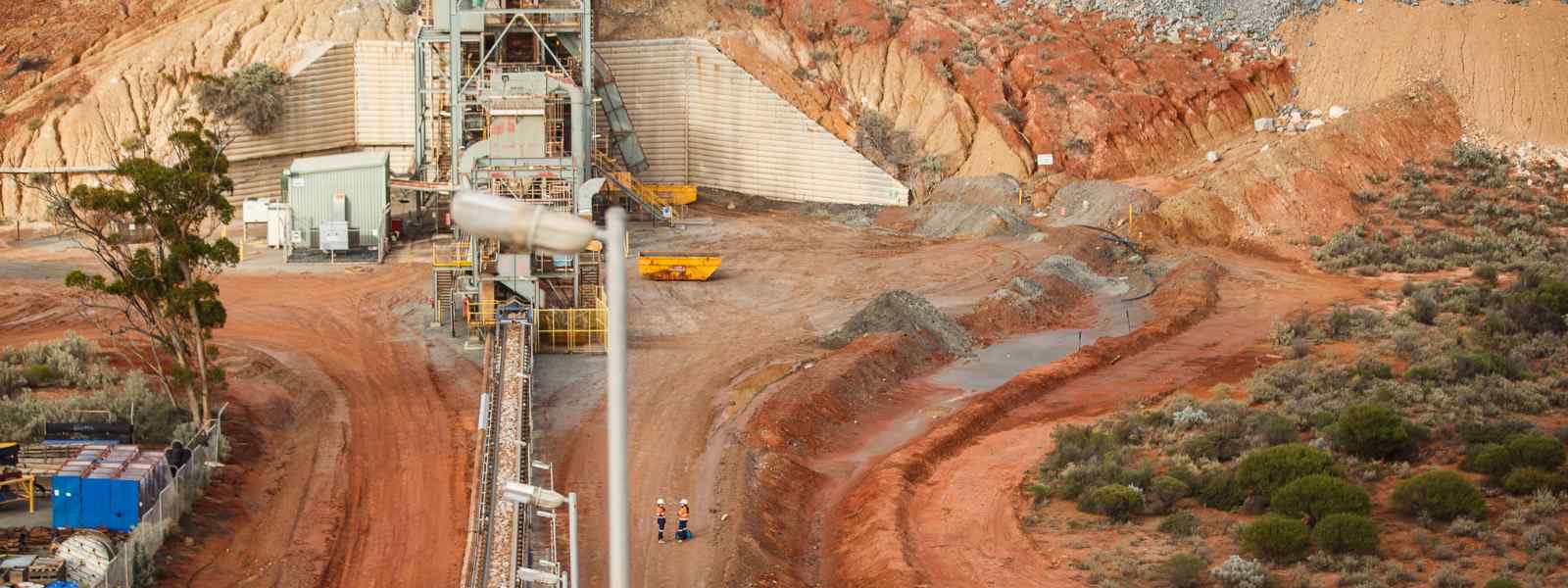
Applied to the 72 billion tonnes of waste rock crushed globally each year, the technique has the potential to capture around one billion tonnes of CO₂ annually, significantly reducing emissions from mining and material production.
Professor Lunn said: “This Fellowship gives us the time and resources to scale up a process that could transform how we manage mining waste and carbon emissions. By harnessing the mechanical energy we already use to crush rocks, we can turn a major source of emissions into a powerful tool for climate mitigation.”
Develop solutions
The Fellowship is part of the Royal Academy of Engineering’s Green Future Fellowship programme, which has awarded £39 million to 13 pioneering engineers to develop solutions tackling multiple causes of the climate crisis.
Each Fellow receives £3 million over 10 years to scale their innovations into commercially viable technologies. The programme is funded by a £150 million investment from the UK Department for Science, Innovation and Technology.
Other awardees are working on breakthroughs including storing renewable energy in ammonia, creating lightweight batteries for electric aircraft, and developing memory systems that reduce energy use in data centres.
Dr Hayaatun Sillem CBE, CEO of the Royal Academy of Engineering, said: “Engineering is playing a critical role in addressing the climate crisis. These Fellowships provide innovators with the space and time to turn transformational ideas into scalable technologies that will have real-world impact.”