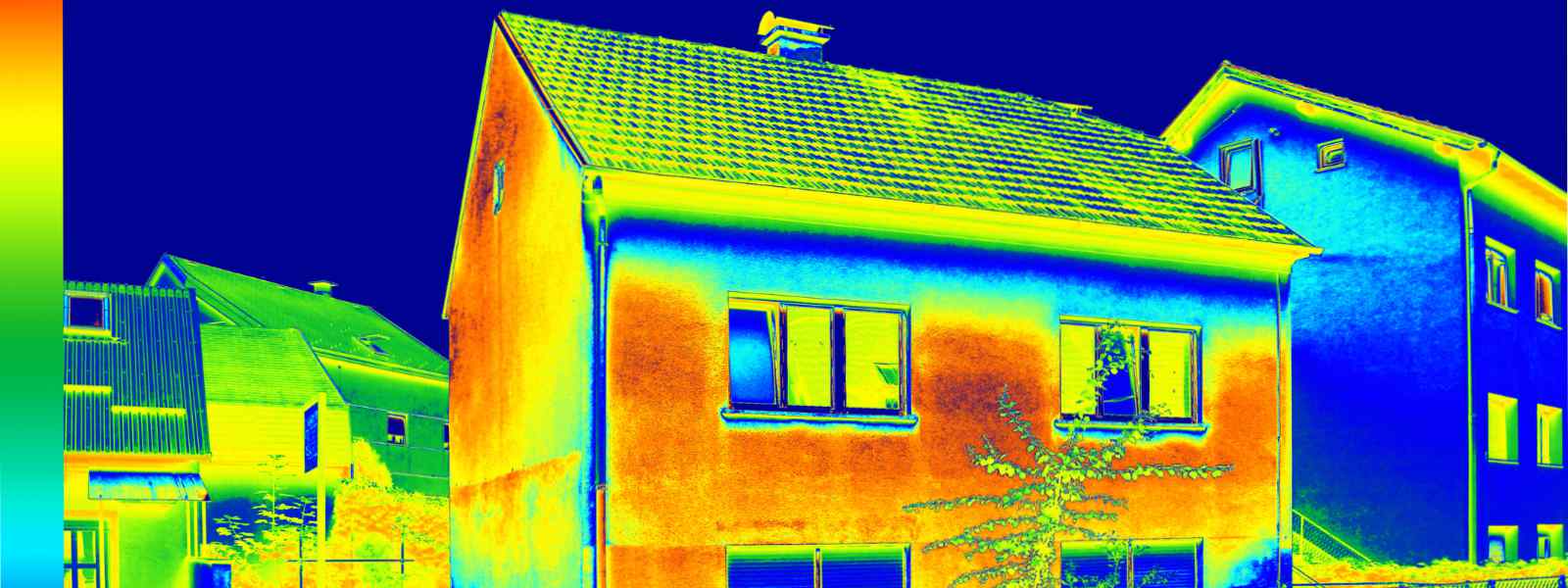
The impact of extreme temperatures on public health, housing quality and the economy is under investigation in new research led at the University of Strathclyde.
The STARPOL (Socio-Spatial Thermal Justice) project will combine architectural, engineering, psychological, legal and genetic knowledge to shape new, improved strategies and policies for the housing and public health sectors.
It will take into account the cumulative effects of climate change, severe health problems and the cost of living in the emergence of ‘thermal injustice.’
The issue is multi-faceted and covers areas including building design, energy systems, wellbeing and legal rights.
Addressing inequalities
The research aims to develop a new model for addressing inequalities in housing and to offer new insights for policymakers into thermal justice, which is defined as fairness in experiencing comfortable temperatures.
The project has received funding of £1.18 million from UKRI (UK Research & Innovation) and also involves partners at the Universities of Edinburgh, Oxford and Bath.
Professor Sonja Dragojlovic-Oliveira, of Strathclyde’s Department of Architecture, the lead researcher in STARPOL, said: “Human exposure to thermal extremes is linked to rising chronic health conditions, hospital admissions and, in some instances, death.
The challenge is not just a housing issue; it is also a design, legal, biological and psychological problem. This project will co-develop a new interdisciplinary model that will deliver new knowledge for designers and the housing sector to account for diversity of thermal need and understanding the implications of thermal injustice.
Public Health Scotland, Architecture & Design Scotland, Julie Godefroy Sustainability, research company terraXcube, property developers Bywater, energy analyst Regen and engineering consultancy Max Fordham are also partner organisations in the project.