A new study examines how COVID-19 restrictions affected children and adolescents’ movement skills, analysing measured changes in motor competence before and after lockdowns, school closures and reduced access to physical activity.
The analysis, published in the Journal of Sport Sciences identifies a consistent decline in motor competence following pandemic restrictions. It suggests that there was a trend of reduced ability to balance and move well – that is, to jump, hop, run and skip.
Researchers at the University of Strathclyde assessed studies of more than 278,000 children and young people from aged three to 19, published from 2015 onwards that directly measured motor competence (MC).
Motor competence
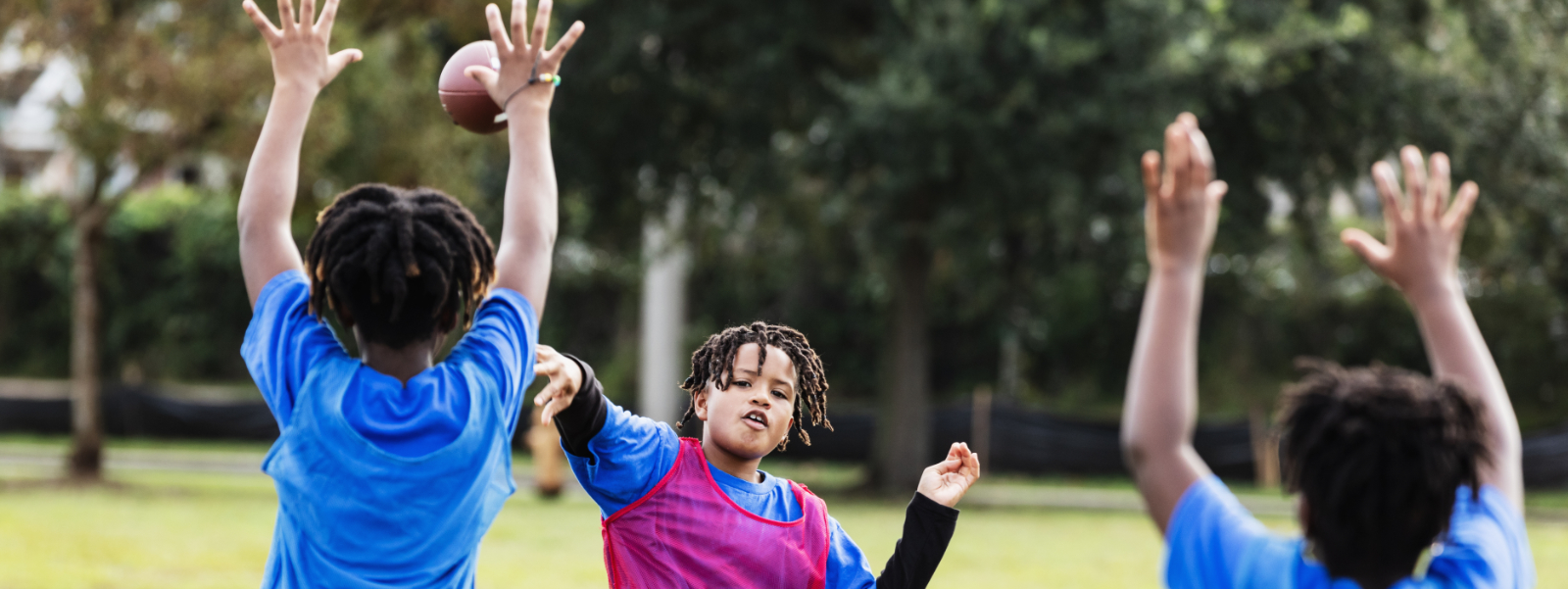
Overall, ten out of 11 eligible studies reported a reduction in motor competence following the pandemic, with one reporting a 50% increase in the prevalence of motor problems. The research also suggests a decline in ability to manipulate objects – like throwing and catching.
The findings reflect small to moderate reductions among children aged from three to 12 years across the studies from Europe, Asia, and South America. The most significant declines were observed in overall ability and in children from lower socio-economic backgrounds.
Motor competence is an individual’s degree of proficient performance in a broad range of motor skills and the underlying mechanisms, including quality of movement, motor coordination and control. It is underpinned by brain development and is important for health – especially for physical fitness and body fatness, as well as for health behaviours. Adequate MC is required to engage well in physical activity and sport.
Declining trend
Researchers say there is evidence that, even prior to the COVID-19 pandemic, MC had been declining in children and young people, but the study suggests that there was a consistent trend of decline post pandemic.
Lead investigator John Reilly, Professor of Physical Activity & Public Health Science, from Strathclyde, said: “The study was complex, drawing on multiple sources, but we found a substantial decline in children’s movement skills. This reduction is meaningful enough to negatively affect body fatness, physical fitness, and participation in sport and physical activity.
The change we observed was far greater than the gradual, year-on-year decline seen before the pandemic, and COVID-19 restrictions significantly accelerated this trend.
“These restrictions also coincided with marked increases in screen time and body fatness, and decreases in physical activity and fitness – all of which likely contributed to the overall decline in motor competence.”
Only one country – the Netherlands, where pandemic restrictions were extremely limited compared to most other nations – found no change in levels post COVID.
Low activity
Professor Reilly, whose research focuses on prevention of child and adolescent obesity worldwide and the consequences of obesity and low physical activity in children and adolescents globally, added: “In populations which experienced declines, it would be desirable to have longer-term follow-up data to test whether and to what extent MC recovered to pre-pandemic levels over time.”
The World Health Organisation and UK COVID-19 Inquiry concluded that pandemics are almost inevitable, and we should be preparing for them now.
Professor Reilly added: “Preparations should include promoting better MC in our children and young people, protecting their MC during any future pandemic, and helping them recover after future pandemics.”
The study, funded by the Scottish Funding Council was based on the final year research projects of the undergraduate Sport and Physical Activity student co-authors, and also showed evidence of possible recovery after post-COVID-19 decline. In one study of five-year olds in Uruguay, locomotor skills had recovered to pre-pandemic levels by 2022.