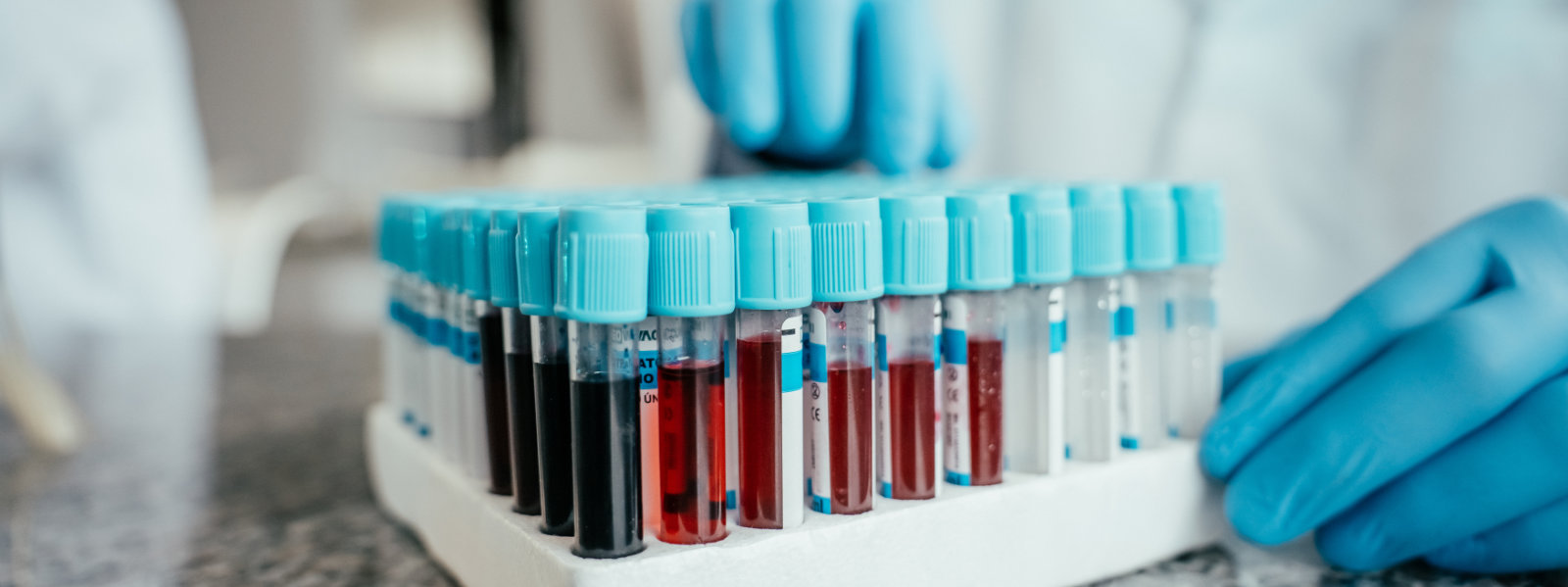
Researchers from the University of Strathclyde have played a key role in a major international study which could improve how dementia is diagnosed across Latin America.
The study, published in Nature Aging, is the first large-scale research project to test whether blood-based biomarkers for dementia work reliably across the region’s highly diverse populations. It involved more than 600 participants from six Latin American countries and addresses a major global gap in dementia research.
Dementia is often diagnosed using brain scans or spinal fluid tests, which can be expensive, invasive and difficult to access. Blood-based biomarkers offer a simpler and more affordable alternative, making them particularly important for regions where specialist clinical services are limited.
Genetic background
While these tests are increasingly used in Europe and North America, most previous research has focused on high-income countries, with little evidence from Latin America, where genetic background, health conditions and environmental factors vary widely.
The research team analysed key blood-based biomarkers linked to Alzheimer’s disease and frontotemporal lobar degeneration, including amyloid-beta, phosphorylated tau and neurofilament light chain. Together, these markers reflect the main biological features of dementia. The study found that the biomarkers could reliably distinguish between different types of dementia across countries with very different populations. Diagnostic accuracy improved further when blood tests were combined with cognitive assessments and brain imaging.
Mario A Parra, Professor of Psychology at Strathclyde, a co-author of the study and part of the international consortium behind the research, said: “This is a milestone for inclusive neuroscience.
It shows that we can extend state-of-the-art diagnostic tools to communities where traditional methods are often inaccessible, helping reduce health inequalities worldwide.
The study also showed that individual biomarkers were linked to different patterns of cognitive decline. In Alzheimer’s disease, some markers were associated with memory loss and reduced overall thinking ability, while in frontotemporal dementia, they were more closely linked to changes in behaviour, decision-making and emotional control.
Unique opportunity
Co-senior author Claudia Duran-Aniotz said: “For Latin America, scalable diagnostic tools are not a luxury but a unique opportunity. Blood-based biomarkers offer enormous potential, but only if they are validated in the real biological and social diversity that characterises our region.
“Without explicitly accounting for diversity between countries, we risk importing diagnostic tools that are not fully reliable for our populations.”
The international team now plans to follow participants over time to better understand how dementia develops and progresses, and to test additional biomarkers that could further improve diagnosis. The long-term aim is to support earlier, more accurate and more equitable dementia diagnosis worldwide.