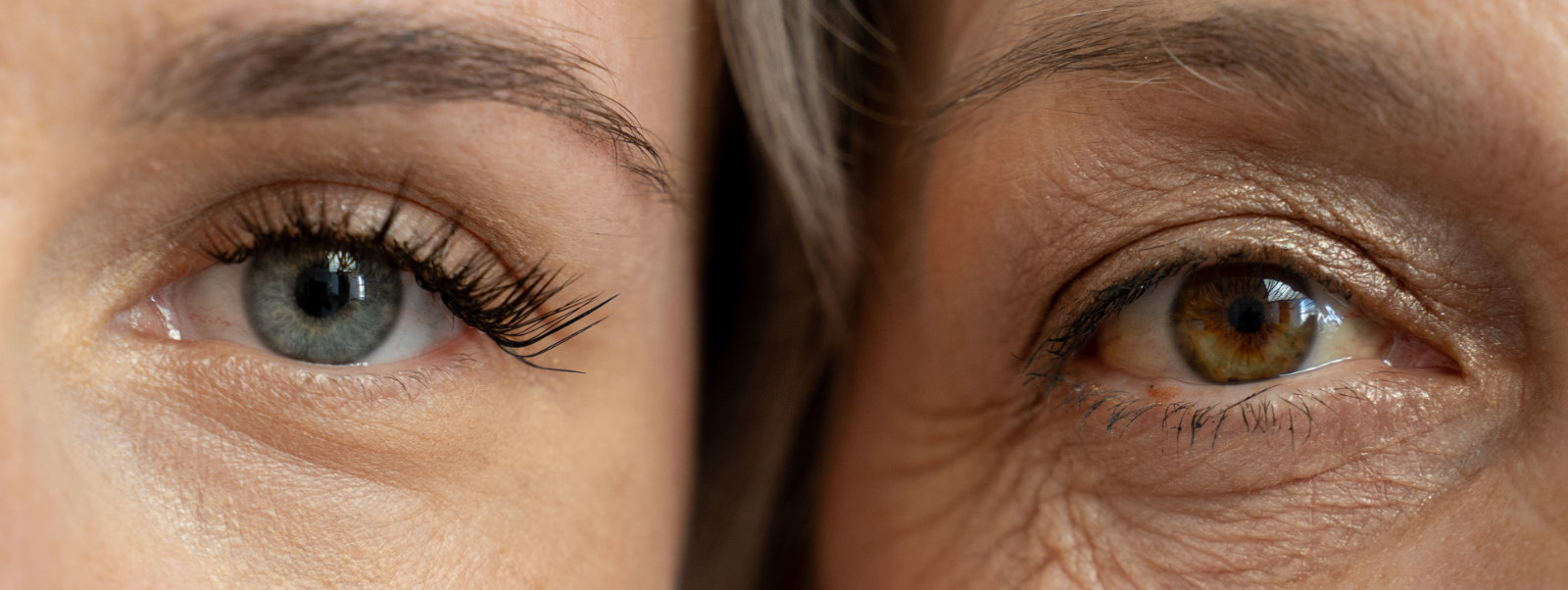
Researchers at the University of Strathclyde have played a central role in an international study which presents a new method to measure biological age – a key factor in predicting health outcomes and understanding the ageing process.
The research, OMICmAge: An integrative multi-omics approach to quantify biological age, led by Harvard University, introduces a new biological ageing model developed using a comprehensive range of molecular data drawn from large-scale population studies.
Biological age
Unlike chronological age – which simply counts the number of years a person has lived – biological age reflects the accumulated physiological changes in a person’s body and can vary hugely between individuals.
Researchers built the model using data from multiple ‘omics’ layers, including DNA methylation – which acts as an ‘on/off’ switch for genes – proteins, metabolites and other biological markers, collected from participants in the ORCADES and Generation Scotland cohorts.
Cognitive function
The study found that OMICmAge consistently outperforms traditional chronological age and single-omic clocks in predicting a range of health outcomes, including markers of physical and cognitive function.
It also showed strong associations with risk factors such as cardiovascular disease and diabetes, suggesting that it could serve as a valuable tool for identifying individuals at higher risk of age-related decline.
Professor Nicholas Rattray from Strathclyde’s Institute of Pharmacy and Biomedical Sciences, who contributed to the study design and analysis of the project said: “This integrative approach has the potential to transform how we understand biological age and its links to disease.
By combining information from across the molecular landscape of the body alongside electronic health records, we’re able to build a much more accurate picture of an individual’s biological state and how it changes over time.
Future studies will examine how OMICmAge performs in clinical settings, but the researchers say results so far suggest the model is a promising new tool for research and potential applications in healthcare.”
The model also provides a platform for future studies aimed at testing how lifestyle, medication or environmental changes may affect biological ageing, and how those changes could be used to reduce disease risk or extend healthy lifespan.