
For the past couple of weeks, I’ve been a member of a university team taking part in the Walking Scotland Spring Step Count Challenge.
I’m already what could be described as an active person. I’ve taken part in marathons, ultramarathons, and even tried my hand at a middle-distance triathlon, and a two-mile swim challenge in London’s Serpentine lake (it was absolutely stinking, by the way).
This year I only have one sporting event in my diary, and I felt that I needed some motivation to keep active, so the challenge couldn’t have come at a better time.
The biggest change I have made during this challenge is getting up at around 4.30am to walk to the office (almost 10 miles, and I start work at 8). If I’m not on campus, I'm getting up at 5 and going for a walk locally before I start my working day. I am well aware that is probably quite an extreme change but that’s part and parcel of who I am (I like winning) and I can be a bit of an ‘all or nothing’ type.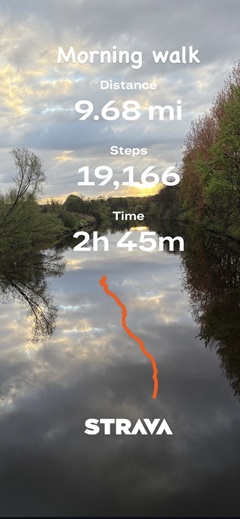
That said, all this time outdoors, early in the morning with no-one else around, has given me plenty of time to think about incremental change, and how effective it is. Many people will have joined this challenge to give themselves motivation just to move a bit more than usual. I imagine a lot of folk may have, for example, increased their daily walking from 7k steps to 10k. This is often the sort of change that sticks and has a large impact over time.
When I first took up running, I used a couch to 5k plan (on a sheet of paper, as smart phones didn’t exist then). I remember looking ahead on the plan and thinking ‘there is no way I will ever be able to run for 3 minutes without stopping’, but I did. I followed the advice and the small steps required to improve my stamina, and because they were small changes over a period of time, those changes stuck. And the impact? Well, I mentioned that earlier.
When we decide to make changes at work, let’s say to an existing process, it can be tempting to go all in, like I do with any challenge thrown at me, and just get it done. Unfortunately that's not always sustainable. I already know that when this step challenge is over I won’t continue getting up with the lark to walk 10 miles every morning. If we take the time however, to map out the current process, look at each individual step (pardon the pun) and see if it can be improved upon, or even removed, these are the small changes that can have a huge, and importantly, lasting impact.
I suppose my advice for making effective, lasting change, can be boiled down to the old adage of ‘do as I say not as I do’. Don’t jump in at the deep end like I have with a change that you most likely know won’t be maintained. Start small. Plan ahead. Think about what benefits you hope to see from the change and measure the success of the change. It’s often a good idea to start with small, easy to implement changes that will have benefits that are realised quickly. This helps to increase your motivation and the changes become habit forming.
If you’re interested in making incremental, effective changes to your work, have a look at our SharePoint site where you can see the training courses we offer to help improve your working day.

.jpg "Susan Greer smiling to camera")