

BSc Hons Psychology / Psychology & Counselling (IMU)
ApplyKey facts
- UCAS Code: PCIMU
- Accreditation: British Psychological Society (BPS) for Psychology; COSCA-accredited Certificate in Counselling Skills for Psychology & Counselling
- Study mode and duration: Full-time, 2 years at Strathclyde (Years 3 & 4) after 2 years at IMU
Applications available only to eligible students from International Medical University
Placements: opportunities for work-based learning and placements with local organisations
Ranked: Top 10 in UK for Psychology (The Times/Sunday Times Good University Guide 2026)
Study with us
At Strathclyde, you'll be studying at a leading UK university with strong reputation in psychology and counselling.
- join a vibrant, international community in Glasgow
- core counselling teaching team are all practising psychotherapists
- students are supported by large and small personal development groups and clinical supervision groups for their listening work in Years 3 and 4, similar to that found on professional training courses
- access to modern labs and counselling suites
- embedded work-based learning and research opportunities
- excellent graduate prospects
- regular guest speakers from clinical practice, research, and industry
Articulate from IMU after your second year to complete either your BSc (Hons) Psychology or BSc (Hons) Psychology & Counselling at Strathclyde.
The Place of Useful Learning
UK University of the Year
Daily Mail University of the Year Awards 2026
Scottish University of the Year
The Sunday Times' Good University Guide 2026
Why Strathclyde
Strathclyde is a multi-award-winning university.
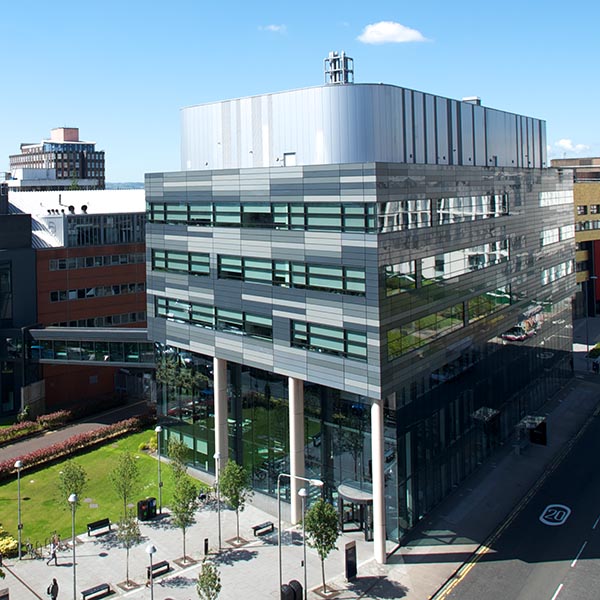
We offer a flexible, innovative learning environment, where you’ll enjoy a first-class experience. We're currently transforming our campus, with investment set to reach £1 billion by 2025. This includes a new Learning and Teaching hub which will further enhance the learning environment for our students. The campus also has a dedicated sports facility, Strathclyde Sport, which offers a range of sports and wellbeing facilities.
Our campus is located in the city centre of Glasgow, Scotland’s largest and most vibrant city. The National Geographic named Glasgow as one of its 'Best of the World' destinations, while Rough Guide readers voted Glasgow the world’s friendliest city!
Glasgow is also the gateway to Scotland, with an international airport and excellent travel links to explore and visit Scotland’s most scenic locations including the Scottish Highlands and Scotland’s capital city Edinburgh, during your time studying at Strathclyde.
What you'll study
BSc (Hons) Psychology
Year 3
- explore human development and interaction, cognitive processes, individual differences, and biological influences on behaviour
- study the six core domains required for British Psychological Society (BPS) accreditation
Year 4
- choose from a variety of topics to study psychology in greater depth
- undertake up to eight Honours topics and complete a dissertation based on your research project
- example topics:
- artificial intelligence
- health psychology
- belief and anomalous experience
- neuropsychology of ageing and dementia
BSc (Hons) Psychology & Counselling
Year 3
Study a combination of psychology and counselling modules to develop your understanding and prepare for the practice elements of the programme in Year 4.
Core modules:
- Research Methods in Psychology
- Individual Differences
- Social Psychology
- Person-Centred Theory
- Personal Development
- Counselling Skills Laboratory
Year 4
Develop your skills further with a counselling placement and advanced psychology modules. Students can choose to complete a dissertation in either psychology or counselling.
Accommodation
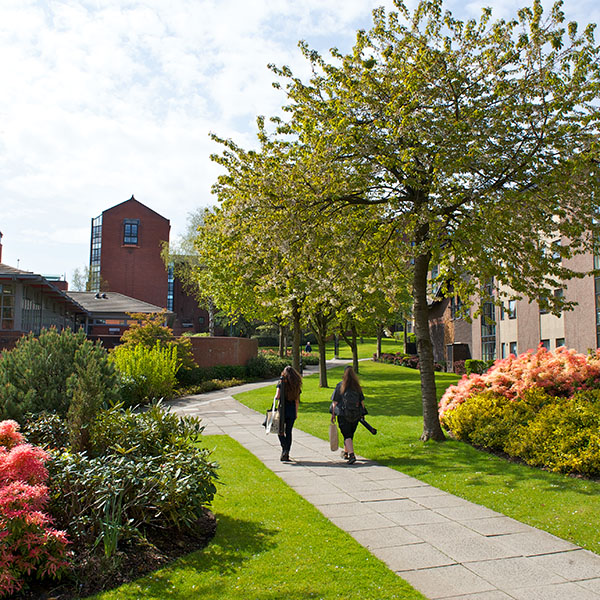
We provide secure accommodation on campus for eligible students. Our accommodation is close to the main University buildings, library, computer labs, sports facilities and the Students’ Union.
Our dedicated Accommodation Services team are located in the campus village and the Student Village Reception is open 24 hours every day, with the experienced team always available to help you.
International students
We've a thriving international community with students coming here to study from over 140 countries across the world. Find out all you need to know about studying in Glasgow at Strathclyde and hear from students about their experiences.
Visit our international students' section
Malaysian students studying at Strathclyde
While studying at Strathclyde, you’ll have the opportunity to join the Strathclyde University Malaysian Society (SUMSOC) at Strath Union and meet students in other departments. The Society organises a wide variety of events throughout the year including social events, trips, cultural events, workshops and guest speakers.

Glasgow is Scotland's biggest & most cosmopolitan city
Our campus is based right in the very heart of Glasgow. We're in the city centre, next to the Merchant City, both of which are great locations for sightseeing, shopping and socialising alongside your studies.
Year 3
Research Methods & Data Analysis
This class equips you with a broader, more advanced set of methodological and analytic skills. These skills are essential for carrying out the year 4 dissertation and for being able to read and understand articles published in academic journals.
Individual Differences
You're encouraged to think scientifically about conceptual and practical issues related to the study of individual differences, with specific reference to intelligence and personality. You'll gain the chance to put this knowledge into practice by designing your own measurement instrument.
Cognition
You'll be introduced to some of the core topics in cognitive psychology
- Perception and action, particularly how we perceive time and recognise faces
- Memory and learning, including models of episodic and working memory
- Language, including word production, sentence comprehension, and discourse processing
- Thinking, specifically problem solving, deductive reasoning and judgement and decision making.
Development
This class reviews the ways that children develop from infancy right through to the end of adolescence. Key theories are presented and used to explore the extent to which children’s development is continuous or stage-like and whether specific skills develop more quickly than others. Issues relating to infancy, ‘theory of mind’ (understanding others’ thoughts and beliefs), executive function (planning and monitoring abilities), language, and communication form the core themes in the class.
Psychobiology
The purpose of this class is to provide the opportunity for you to learn the basic principles of brain function, and to encourage you to address the implications of this understanding for their own view of how behaviour is generated. It includes coverage of electrophysiology and psychopharmacology, neuroanatomy, research methods in neuroscience. There are focused sections relating to the visual system and the motor system.
Social Psychology
This class allows you to consider current ideas and positions within social psychology. Four themes drive the class
- Attitudes and attitude change, covering the Theory of Planned Behaviour and the Health Belief Model
- Identity, with a focus on social, personal and group identities
- Prejudice, connecting both attitudes and identities, and covering a broad range of areas such as social representations, stereotyping, prejudice and conflict
- Epistemology, where consideration is given to the theory of knowledge, how social psychological knowledge is produced, and to what effect
Year 4
Compulsory
Dissertation in Psychology
The dissertation is an opportunity for you to undertake an original piece of research, closely supervised by a single member of staff. Dissertations can be of such high standards that they are subsequently published in peer-reviewed academic journals.
Semester 1 & 2 modules
Advanced Organisational Behaviour
Advanced Organisational Behaviour is an Honours year elective, which runs over two semesters, offered in the degree subject Human Resource Management (within the Department of Work, Employment and Organisation). It is also an elective in Psychology. There is no prerequisite for Psychology students and it is expected that students with no prior experience of HRM courses will be able to fully engage with this class. The class draws from organisational behaviour, work psychology and work sociology to explore current topics within work and employment, and the implications for people management.
Psychology Work Placement
This class will support students' development in applying their knowledge and understanding of psychological theory and evidence in a work setting, as well as their ability to articulate the knowledge, understanding, and skills they have developed through the placement, their studies, and other extra-curricular activities.
The class aims to provide students with an opportunity to gain practical, work-based experience in an area that is professionally relevant to psychology. The placement experience should encourage the transfer of academic psychological knowledge, understanding, and subject-specific skills to an applied context. Students will also be supported in developing reflective and professional skills, and the ability to articulate these skills. This class is intended to support students' transition into employment and/or further study after graduation. It is also anticipated that there will be benefits to placement providers in the roles fulfilled by students, and in the longer term in supporting the development of the future workforce.
The placement involves completing a minimum of 60 hours of active engagement within a suitable organisation. An additional 50 hours has been added to account for travel time.
Students will be responsible for setting up a placement with an organisation relevant to their interests. We hope to provide students a list of organisations who have indicated a willingness to receive applications from students seeking a placement.
In the assessment for the class, students are required to submit a 2000 word written assessment that covers:
- An account of their role within the placement organisation, including a critical reflection on the student's professional practice in fulfilling the requirements of the role. The student will also relate back to the self-evaluation assessment written at the beginning of the placement;
- Demonstrate an understanding of the application of psychological theory and evidence relevant to the placement organisation and/or experience in the placement role;
- Discussion of their personal and professional development, following the placement, with a view to their future development.
Elective modules
These modules are subject to change year-on-year and may not be the same for each academic year.
Cross-cultural Psychology
This optional class aims to help students gain an understanding of the ways in which human psychology is influenced by cultural context. This class builds upon your third-year psychology classes, attempting to expand the topics covered in these classes by emphasising the role culture plays in the mental life of human beings. This class will start with an introduction to cross-cultural psychology, discussing its various definitions and general theoretical orientations. Then, the class will explore the similarities and differences in social behaviour across cultures, and how culture influences people’s emotions and values. This class will also discuss intercultural contact (i.e., acculturation, cross-cultural competence).
This optional class will be delivered by a combination of lectures and seminars. An experiential/problem-based learning approach is adopted. Relevant theories and empirical research will be discussed, and students will have the opportunity to explore how the knowledge can be used to in real-world scenarios. Overall, this class will enhance students’ understanding of different perspectives on psychology and increase their awareness of cultural differences in psychology.
Psychology of Mental Health
Mental health problems are a growing public health concern worldwide, at both personal and societal levels. This class will explore the application of psychology to the field of mental health, with the consideration of the theoretical, practical and ethical underpinnings of the mental health field. The class will also explore approaches to psychological assessment, formulation and treatment that are commonly used in mental health practice.
- Lectures will cover the following key areas:
- Psychological assessment
- Psychological formulation
- Overview of most common mental health problems (e.g. depression, anxiety)
- Clinical practice and psychological interventions
- Positive mental health
Critical Thinking & Common-sense Reasoning
This class has two broad aims:
- to provide students with an introduction to critical thinking and review some of the theoretical and empirical literature around critical thinking and epistemological thinking
- to give students the opportunity to practice critical thinking and thereby develop and sharpen their skills in this important area.
Literature on critical thinking and epistemological thinking will be reviewed, and both everyday aspects of critical thinking (such as interpretation of articles published in newspapers and on the world wide web) and more technical aspects (such as critiquing journal papers within psychology) will be covered. Following three lectures setting out the theoretical background, teaching will be workshop-based, in which students will work in tutorial groups engaging in critiquing exercises. Different kinds of articles will be jointly critiqued, beginning with ‘everyday’ materials such as newspaper opinion pieces, thence moving on to informal presentations of psychological material in the form of discussion articles published in magazine-style journals such as ‘The Psychologist’, and ultimately building up to the critique of published articles in psychology journals. This will therefore simultaneously broaden the students’ knowledge on a psychological topic of great practical significance (just how good are ordinary members of the public at thinking critically?) and at the same time help to develop their skills in a way that should positively impact their studies of psychology at Honours level.
Belief & Anomalistic Experience
This class introduces students to the scientific study of belief in religion and belief in / experience of ‘paranormal’ phenomena. The content is not concerned with the veracity of experiences or beliefs but rather how psychology can measure associated variables, explain the formation and maintenance of beliefs and examine the effect that holding such beliefs or having such experiences can have, both physically and psychologically. Students will be expected to critically evaluate experimental methodology and theories of cognition in relation to the class content.
Critical Review
This is a one semester class in which students will select an approved psychology topic for intensive, non-empirical study. Students will demonstrate an in-depth understanding of the conceptual and theoretical content of an area of psychology drawn from a list of approved topics. This class affords Honours students an opportunity to develop and demonstrate skills in literature search, information assimilation, evaluation and in depth critical analysis of a chosen topic. The class places emphasis on independent student learning. The course will help the student to develop critical writing skills over a period of time through independent writing and self-directed study. The aims are:
i. to develop an extensive in-depth knowledge of one key topic area in psychology.
ii. to develop critical thinking skills such as questioning the assumptions and conclusions of others and looking at alternative ways of dealing with questions, facts, and arguments.
iii. to develop and refine skills relating to the systematic acquisition of information.
iv. to develop and extend essay writing skills, including discussing and formulating arguments, summarizing, and presenting materials.
Introduction to Sleep Health
This class provides an introduction to the field of sleep health, which is a developing area of sleep psychology that focuses on the evaluation and treatment of sleep disorders by addressing behavioural, psychological, and physiological factors that interfere with sleep. Sleep disorders impair quality of life and contribute to physical and mental health problems. Despite this, they are an under-recognised and under-treated threat to public health. Sleep experts have long recognised the need for greater public awareness of the impact of poor sleep and the importance of promoting the evidence-base for appropriate assessment and treatment. This class will introduce students to the specialist, multidisciplinary area of sleep health with a very clear focus on insomnia disorder, the most common sleep disorder and the one of the most prevalent mental health complaints in Europe.
The Psychology & Cognitive Neuroscience of Face Recognition
In this class, we will cover the psychology, cognitive neuroscience, and real world applications of face perception and recognition. The class will cover current theory in relation to face recognition, but importantly we will also assess the critical use of faces in real world and forensic contexts. For example, faces are of critical importance in criminal identification in policing and the justice system (e.g. from CCTV, bystanders, juries and the victims of crime), and in the prevention of identity fraud (e.g. should we put our faces on our credit/debit cards?). There will also be a clinical aspect to this class as we’ll look at individual differences in face recognition, looking at patients with prosopagnosia and Metropolitan Police Super-recognisers. Each of these areas will be explored in detail, to show how our understanding of the science of face perception can inform us about our interest in, and reliance on, faces.
Psychology & Ageing
It is understood that our population is ageing; for example, the fastest growing age group comprises those aged over 85 years. The potential for health, economic, and social burden due to ageing is therefore increasing. With a better understanding of ageing processes, the burden of an ageing population could be minimised, successful ageing and better quality of life promoted, and the contributions of older adults to society celebrated. Contemporary psychological theories of ageing will be presented from a number of perspectives, and the class will draw upon research that has used a variety of methodological approaches. Students will also be encouraged to engage with the material via a range of teaching methods, including traditional lecture content, video clips, and interactive tasks. Typically, we will address: theoretical and methodological approaches to studying psychology and ageing; cognitive ageing; lifestyle factors; emotion in older age; ageing in society, including stereotyping; ageing in the workplace/retirement; wisdom; the positive influences of older adults in society. Teaching delivery is anticipated to be via 5 on-campus sessions and an online peer review task.
Psychological Assessment
This class will build upon knowledge developed in second (Cognition & Neuropsychology C8201) and third year level (Cognition C8304). Specifically, it will provide further understanding on how to apply principles of psychological assessment in broader contexts. The class will pursue three aims: 1) promote understanding and knowledge about the contributions and challenges of psychological assessment in various contexts and settings, 2) familiarise with aspects related to the selection of appropriate testing procedures and 3) the generation of hypotheses to guide such procedures and interpret their outcomes.
The class will offer a critical appreciation of a range of tests, procedures and techniques used to better understand a person’s psychological makeup and behaviour. Knowledge will be acquired on how such tests and procedures are used in experimental and applied settings. Learning will involve case discussions, discussion of commonly used tests, with students investigating cases and procedures. Students will develop an appreciation of the types of psychological testing.
Psychology of Physical Activity
The aim of the class is to facilitate the development of knowledge and understanding of theories and evidence-based research in relation to the psychology of physical activity. This class will provide opportunities for students to develop their critical evaluation skills of theory and research and to gain experience of measurement and behaviour change techniques in this area. The aim is also to give students the opportunity to apply what they have learned to a ‘real-world’ case study by implementing a behaviour change intervention to increase active behaviours. This class extends material covered in previous years in biological, social, cognitive and health psychology but is applied to physical activity behaviour. Level 4 classes are very popular with students as they cover focussed, specialist topics and staff expertise.
Evolutionary Approaches to Human Mate Preferences
This lecture series will critically examine the contribution that evolutionary theories have made to our understanding of human mate preferences. It will cover fundamental questions in the area, such as how mate preferences are shaped by environmental and hormonal factors, and will have a strong focus on recent methodological and theoretical controversies in the literature.
Considering Sleep Through the Behavioural Lens
Sleep is a multidisciplinary field and is relevant for a variety of medical fields such as neurology, respiratory medicine, cardiology, and psychiatry. The focus thereby lies on the physiological aspects of sleep, as well as the organic sleep disorders such as sleep apnoea or narcolepsy. However, sleep is also a behaviour, and examining sleep through the behavioural lens has implications for the field of psychology at the individual and also the public health level. If we can understand how to change sleep behaviour, we can initiate change in the individuals and the public's health and wellbeing. In this class, we will explore the importance of examining sleep at the behavioural level, which can be modified to improve health and wellbeing.
Neuropsychology of Ageing & Dementia
The class will offer you the opportunity to acquire an in-depth understanding of the theories and empirical data that are relevant within the field of neuropsychology of ageing and dementia. It will cover the differences between normal and pathological decline in old age and will provide information on the neuropsychological profiles and pathologies which characterize different forms of dementia. It will provide you with a solid foundation in neuropsychology. You will learn to identify the features which can aid early diagnosis and differential diagnosis of the dementias (e.g. Alzheimer's disease, Vascular dementia and Lewy body dementias). You will become familiar with how different aspects of cognition are distributed within the brain and will be aware of the consequences of impairment.
Different methodologies that are used for the study of the dementias will also be explored (e.g. neuropsychological assessment, functional and structural neuroimaging) and you will learn to critically evaluate the benefits and pitfalls of each method.
Overall, the class will provide you with key knowledge that will be relevant for the study of neurological conditions, for health-based research more broadly, and relevant should you choose to work in academia, healthcare or other industries (linked to older adults or neurological populations).
Theory & Practice of Learning & Cognition
Cognitive Psychology (CP) is central to the understanding processes that are required for memory, attention, and learning. It can also provide insights into cognitive conditions that affect how people function and behave. CP underpins all aspects of psychological theory and practice (synonymous with developmental, social, educational and neuro psychology). The class will explore and critically examine key learning theory and consider transference and application from theory to real life contexts.
Year 3
Research Methods in Psychology
This class equips you with a broader, more advanced set of methodological and analytic skills. These skills are essential for carrying out the year 4 dissertation and for being able to read and understand articles published in academic journals.
Semesters 1 & 2
Person-Centred Theory
This class will explain, explore and critically evaluate the principal theoretical approach adopted by the counselling component of the course: the person-centred-experiential approach to counselling skills.
Personal Development
- knowledge: theory and conceptual frameworks that guide action
- experience: self-awareness, self-acceptance and resilience under stress, including encountering diverse and difficult experiences and personal blocks
- action: putting theory and experience into practice
Each of three classes in the Counselling track of Year 3 focuses on one of these components. The Personal Development class focuses on two main strands of the experiential component of counselling skills: Discovering and confronting attitudes that inhibit the course member's functioning; and moving towards becoming more self-accepting and having greater confidence in personal congruent functioning.
Counselling Skills Laboratory
The Counselling Skills Laboratory consists of three components:
- knowledge: theory and conceptual frameworks that guide action
- personal development: self-awareness, self-acceptance and resilience under stress, including encountering diverse and difficult experiences and personal blocks
- interpersonal skills: putting theory and experience into practice
Semester 2
Individual Differences
You're encouraged to think scientifically about conceptual and practical issues related to the study of individual differences, with specific reference to intelligence and personality. You'll gain the chance to put this knowledge into practice by designing your own measurement instrument.
Social Psychology
This class allows you to consider current ideas and positions within social psychology. Four themes drive the class
- Attitudes and attitude change, covering the Theory of Planned Behaviour and the Health Belief Model
- Identity, with a focus on social, personal and group identities
- Prejudice, connecting both attitudes and identities, and covering a broad range of areas such as social representations, stereotyping, prejudice and conflict
- Epistemology, where consideration is given to the theory of knowledge, how social psychological knowledge is produced, and to what effect
Year 4
Counselling
Honours Development
This class will focus on key developmental issues across infancy, childhood, and adult life. Infant development will cover language development, attachment, perceptual development, and cognitive development. For childhood and adolescence, issues of problem solving are explored as is social development.
Concerning adult development, we focus on the influence of healthy ageing on the brain and cognition, pathological ageing processes (dementia), and successful ageing.
Theory pertaining to all aspects of the course will be presented and critiqued in light of available empirical research.
Practical Experience: Counselling Skills/Research
This class is intended to provide continuing practical experience in counselling skills and/or counselling research. There are two possibilities here: first, students can elect to volunteer in a community setting in which they can apply the counselling skills they learned in Year 3 (eg Samaritans, Childline).
Second, they can volunteer to work on a counselling research project, most commonly in the Research Clinic, using the research methods skills they learned in Years 2 & 3.
Honours Cognition
This class will introduce students to some of the core topics in face and object recognition, perception, language, thinking, learning and memory, and to explore the key theoretical debates within these areas.
Honours Psychobiology
The purpose of this class is to provide the opportunity for students to learn the basic principles of brain function, and to encourage students to address the implications of this understanding for their own view of how behaviour is generated.
This will allow students to develop a model of brain function that will allow a more critical evaluation of psychological theories in other areas of psychology.
Psychology
Dissertation in Psychology
The dissertation is an opportunity for you to undertake an original piece of research, closely supervised by a single member of staff. Dissertations can be of such high standards that they are subsequently published in peer-reviewed academic journals.
Semester 1 & 2 modules
Advanced Organisational Behaviour
Advanced Organisational Behaviour is an Honours year elective, which runs over two semesters, offered in the degree subject Human Resource Management (within the Department of Work, Employment and Organisation). It is also an elective in Psychology. There is no prerequisite for Psychology students and it is expected that students with no prior experience of HRM courses will be able to fully engage with this class. The class draws from organisational behaviour, work psychology and work sociology to explore current topics within work and employment, and the implications for people management.
Psychology Work Placement
This class will support students' development in applying their knowledge and understanding of psychological theory and evidence in a work setting, as well as their ability to articulate the knowledge, understanding, and skills they have developed through the placement, their studies, and other extra-curricular activities.
The class aims to provide students with an opportunity to gain practical, work-based experience in an area that is professionally relevant to psychology. The placement experience should encourage the transfer of academic psychological knowledge, understanding, and subject-specific skills to an applied context. Students will also be supported in developing reflective and professional skills, and the ability to articulate these skills. This class is intended to support students' transition into employment and/or further study after graduation. It is also anticipated that there will be benefits to placement providers in the roles fulfilled by students, and in the longer term in supporting the development of the future workforce.
The placement involves completing a minimum of 60 hours of active engagement within a suitable organisation. An additional 50 hours has been added to account for travel time.
Students will be responsible for setting up a placement with an organisation relevant to their interests. We hope to provide students a list of organisations who have indicated a willingness to receive applications from students seeking a placement.
In the assessment for the class, students are required to submit a 2000 word written assessment that covers:
- An account of their role within the placement organisation, including a critical reflection on the student's professional practice in fulfilling the requirements of the role. The student will also relate back to the self-evaluation assessment written at the beginning of the placement;
- Demonstrate an understanding of the application of psychological theory and evidence relevant to the placement organisation and/or experience in the placement role;
- Discussion of their personal and professional development, following the placement, with a view to their future development.
Elective
These modules are subject to change year-on-year and may not be the same for each academic year.
Cross-cultural Psychology
This optional class aims to help students gain an understanding of the ways in which human psychology is influenced by cultural context. This class builds upon your third-year psychology classes, attempting to expand the topics covered in these classes by emphasising the role culture plays in the mental life of human beings. This class will start with an introduction to cross-cultural psychology, discussing its various definitions and general theoretical orientations. Then, the class will explore the similarities and differences in social behaviour across cultures, and how culture influences people’s emotions and values. This class will also discuss intercultural contact (i.e., acculturation, cross-cultural competence).
This optional class will be delivered by a combination of lectures and seminars. An experiential/problem-based learning approach is adopted. Relevant theories and empirical research will be discussed, and students will have the opportunity to explore how the knowledge can be used to in real-world scenarios. Overall, this class will enhance students’ understanding of different perspectives on psychology and increase their awareness of cultural differences in psychology.
Psychology of Mental Health
Mental health problems are a growing public health concern worldwide, at both personal and societal levels. This class will explore the application of psychology to the field of mental health, with the consideration of the theoretical, practical and ethical underpinnings of the mental health field. The class will also explore approaches to psychological assessment, formulation and treatment that are commonly used in mental health practice.
- Lectures will cover the following key areas:
- Psychological assessment
- Psychological formulation
- Overview of most common mental health problems (e.g. depression, anxiety)
- Clinical practice and psychological interventions
- Positive mental health
Critical Thinking & Common-sense Reasoning
This class has two broad aims:
- to provide students with an introduction to critical thinking and review some of the theoretical and empirical literature around critical thinking and epistemological thinking
- to give students the opportunity to practice critical thinking and thereby develop and sharpen their skills in this important area.
Literature on critical thinking and epistemological thinking will be reviewed, and both everyday aspects of critical thinking (such as interpretation of articles published in newspapers and on the world wide web) and more technical aspects (such as critiquing journal papers within psychology) will be covered. Following three lectures setting out the theoretical background, teaching will be workshop-based, in which students will work in tutorial groups engaging in critiquing exercises. Different kinds of articles will be jointly critiqued, beginning with ‘everyday’ materials such as newspaper opinion pieces, thence moving on to informal presentations of psychological material in the form of discussion articles published in magazine-style journals such as ‘The Psychologist’, and ultimately building up to the critique of published articles in psychology journals. This will therefore simultaneously broaden the students’ knowledge on a psychological topic of great practical significance (just how good are ordinary members of the public at thinking critically?) and at the same time help to develop their skills in a way that should positively impact their studies of psychology at Honours level.
Belief & Anomalistic Experience
This class introduces students to the scientific study of belief in religion and belief in / experience of ‘paranormal’ phenomena. The content is not concerned with the veracity of experiences or beliefs but rather how psychology can measure associated variables, explain the formation and maintenance of beliefs and examine the effect that holding such beliefs or having such experiences can have, both physically and psychologically. Students will be expected to critically evaluate experimental methodology and theories of cognition in relation to the class content.
Critical Review
This is a one semester class in which students will select an approved psychology topic for intensive, non-empirical study. Students will demonstrate an in-depth understanding of the conceptual and theoretical content of an area of psychology drawn from a list of approved topics. This class affords Honours students an opportunity to develop and demonstrate skills in literature search, information assimilation, evaluation and in depth critical analysis of a chosen topic. The class places emphasis on independent student learning. The course will help the student to develop critical writing skills over a period of time through independent writing and self-directed study. The aims are:
i. to develop an extensive in-depth knowledge of one key topic area in psychology.
ii. to develop critical thinking skills such as questioning the assumptions and conclusions of others and looking at alternative ways of dealing with questions, facts, and arguments.
iii. to develop and refine skills relating to the systematic acquisition of information.
iv. to develop and extend essay writing skills, including discussing and formulating arguments, summarizing, and presenting materials.
Introduction to Sleep Health
This class provides an introduction to the field of sleep health, which is a developing area of sleep psychology that focuses on the evaluation and treatment of sleep disorders by addressing behavioural, psychological, and physiological factors that interfere with sleep. Sleep disorders impair quality of life and contribute to physical and mental health problems. Despite this, they are an under-recognised and under-treated threat to public health. Sleep experts have long recognised the need for greater public awareness of the impact of poor sleep and the importance of promoting the evidence-base for appropriate assessment and treatment. This class will introduce students to the specialist, multidisciplinary area of sleep health with a very clear focus on insomnia disorder, the most common sleep disorder and the one of the most prevalent mental health complaints in Europe.
The Psychology & Cognitive Neuroscience of Face Recognition
In this class, we will cover the psychology, cognitive neuroscience, and real world applications of face perception and recognition. The class will cover current theory in relation to face recognition, but importantly we will also assess the critical use of faces in real world and forensic contexts. For example, faces are of critical importance in criminal identification in policing and the justice system (e.g. from CCTV, bystanders, juries and the victims of crime), and in the prevention of identity fraud (e.g. should we put our faces on our credit/debit cards?). There will also be a clinical aspect to this class as we’ll look at individual differences in face recognition, looking at patients with prosopagnosia and Metropolitan Police Super-recognisers. Each of these areas will be explored in detail, to show how our understanding of the science of face perception can inform us about our interest in, and reliance on, faces.
Psychology & Ageing
It is understood that our population is ageing; for example, the fastest growing age group comprises those aged over 85 years. The potential for health, economic, and social burden due to ageing is therefore increasing. With a better understanding of ageing processes, the burden of an ageing population could be minimised, successful ageing and better quality of life promoted, and the contributions of older adults to society celebrated. Contemporary psychological theories of ageing will be presented from a number of perspectives, and the class will draw upon research that has used a variety of methodological approaches. Students will also be encouraged to engage with the material via a range of teaching methods, including traditional lecture content, video clips, and interactive tasks. Typically, we will address: theoretical and methodological approaches to studying psychology and ageing; cognitive ageing; lifestyle factors; emotion in older age; ageing in society, including stereotyping; ageing in the workplace/retirement; wisdom; the positive influences of older adults in society. Teaching delivery is anticipated to be via 5 on-campus sessions and an online peer review task.
Psychological Assessment
This class will build upon knowledge developed in second (Cognition & Neuropsychology C8201) and third year level (Cognition C8304). Specifically, it will provide further understanding on how to apply principles of psychological assessment in broader contexts. The class will pursue three aims: 1) promote understanding and knowledge about the contributions and challenges of psychological assessment in various contexts and settings, 2) familiarise with aspects related to the selection of appropriate testing procedures and 3) the generation of hypotheses to guide such procedures and interpret their outcomes.
The class will offer a critical appreciation of a range of tests, procedures and techniques used to better understand a person’s psychological makeup and behaviour. Knowledge will be acquired on how such tests and procedures are used in experimental and applied settings. Learning will involve case discussions, discussion of commonly used tests, with students investigating cases and procedures. Students will develop an appreciation of the types of psychological testing.
Psychology of Physical Activity
The aim of the class is to facilitate the development of knowledge and understanding of theories and evidence-based research in relation to the psychology of physical activity. This class will provide opportunities for students to develop their critical evaluation skills of theory and research and to gain experience of measurement and behaviour change techniques in this area. The aim is also to give students the opportunity to apply what they have learned to a ‘real-world’ case study by implementing a behaviour change intervention to increase active behaviours. This class extends material covered in previous years in biological, social, cognitive and health psychology but is applied to physical activity behaviour. Level 4 classes are very popular with students as they cover focussed, specialist topics and staff expertise.
Evolutionary Approaches to Human Mate Preferences
This lecture series will critically examine the contribution that evolutionary theories have made to our understanding of human mate preferences. It will cover fundamental questions in the area, such as how mate preferences are shaped by environmental and hormonal factors, and will have a strong focus on recent methodological and theoretical controversies in the literature.
Theory & Practice of Learning & Cognition
Cognitive Psychology (CP) is central to the understanding processes that are required for memory, attention, and learning. It can also provide insights into cognitive conditions that affect how people function and behave. CP underpins all aspects of psychological theory and practice (synonymous with developmental, social, educational and neuro psychology). The class will explore and critically examine key learning theory and consider transference and application from theory to real life contexts.
Considering Sleep Through the Behavioural Lens
Sleep is a multidisciplinary field and is relevant for a variety of medical fields such as neurology, respiratory medicine, cardiology, and psychiatry. The focus thereby lies on the physiological aspects of sleep, as well as the organic sleep disorders such as sleep apnoea or narcolepsy. However, sleep is also a behaviour, and examining sleep through the behavioural lens has implications for the field of psychology at the individual and also the public health level. If we can understand how to change sleep behaviour, we can initiate change in the individuals and the public's health and wellbeing. In this class, we will explore the importance of examining sleep at the behavioural level, which can be modified to improve health and wellbeing.
Neuropsychology of Ageing & Dementia
The class will offer you the opportunity to acquire an in-depth understanding of the theories and empirical data that are relevant within the field of neuropsychology of ageing and dementia. It will cover the differences between normal and pathological decline in old age and will provide information on the neuropsychological profiles and pathologies which characterize different forms of dementia. It will provide you with a solid foundation in neuropsychology. You will learn to identify the features which can aid early diagnosis and differential diagnosis of the dementias (e.g. Alzheimer's disease, Vascular dementia and Lewy body dementias). You will become familiar with how different aspects of cognition are distributed within the brain and will be aware of the consequences of impairment.
Different methodologies that are used for the study of the dementias will also be explored (e.g. neuropsychological assessment, functional and structural neuroimaging) and you will learn to critically evaluate the benefits and pitfalls of each method.
Overall, the class will provide you with key knowledge that will be relevant for the study of neurological conditions, for health-based research more broadly, and relevant should you choose to work in academia, healthcare or other industries (linked to older adults or neurological populations).
Entry requirements
| Academic requirements | Completion of two years at International Medical University with minimum CGPA 3.0 |
|---|---|
| English language requirements | IELTS 6.5 or equivalent |
Fees & funding
All fees quoted are for full-time courses and per academic year unless stated otherwise.
Fees may be subject to updates to maintain accuracy. Tuition fees will be notified in your offer letter.
All fees are in £ sterling, unless otherwise stated, and may be subject to revision.
Annual revision of fees
Students on programmes of study of more than one year (or studying standalone modules) should be aware that the majority of fees will increase annually.
The University will take a range of factors into account, including, but not limited to, UK inflation, changes in delivery costs and changes in Scottish and/or UK Government funding. Changes in fees will be published on the University website in October each year for the following year of study and any annual increase will be capped at a maximum of 10% per year. This cap will apply to fees from 2026/27 onwards, which will not increase by more than 10% from the previous year for continuing students.
| International | £22,750 |
|---|---|
| Available scholarships | We have a wide range of scholarships available. Have a look at our scholarship search to find a scholarship. |
| Visa & immigration | International students may have associated visa and immigration costs. Please see student visa guidance for more information. |
| Protecting Vulnerable Groups scheme | You must pay for own Protecting Vulnerable Groups membership (£59) if 4th Year placement requires one but students can choose placements without this requirement. |
Please note: All fees shown are annual and may be subject to an increase each year. Find out more about fees.
Careers
Graduates enter careers in:
- psychology
- counselling
- education
- health
- social care
- research
Some students also progress to postgraduate study in programmes such as MSc Counselling & Psychotherapy.
Apply
Start date: Sep 2026
(3 year entry)
Start date: Sep 2026
(3 year entry)