_(1).jpeg "Photo of PGDE student Ryan Trainer")
Ryan is a graduate from the PGDE Secondary Education: Computing Science programme at the University of Strathclyde
Tell us a little bit about your background...
I graduated with a degree in Business Computing and initially went into senior technology and finance recruitment. In that role, I worked closely with professionals at different stages of their careers and became heavily involved in supporting, mentoring, and developing people, particularly around skills, confidence, and progression.
I later moved into tourism management, where I took on responsibility for training, supporting, and leading staff teams. Across both roles, the part of the job I enjoyed most was helping people learn, develop, and succeed. That ongoing interest in training and development, combined with my background in computing, ultimately led me to pursue a career in teaching, where I could bring together technical knowledge with a strong people-focused approach.
What drew you towards undertaking this degree?
I was drawn to this degree because it offered a clear route into teaching while maintaining strong links to both theory and classroom practice. I wanted a programme that would prepare me for the realities of teaching, not just the academic side of education.
Strathclyde appealed to me because of its strong reputation in teacher education and its emphasis on reflective practice. The balance between university-based learning and school placement felt well thought-out, and I was particularly impressed by how supportive and well-structured the programme appeared compared to others I had researched.
Tell us about the format of the programme...
The programme was a good mix of lectures, workshops, independent study, and time spent on placement. A typical university week involved sessions focused on pedagogy, curriculum design, assessment, and professional reflection, alongside subject-specific inputs.
During placement blocks, the focus shifted heavily towards classroom practice—planning lessons, teaching, observing experienced teachers, and reflecting on feedback. The programme felt demanding at times, but it was very purposeful and clearly aligned with what you experience day-to-day in schools.
Tell us about your experience on placement...
Placement was one of the most valuable parts of the programme. Being in a real classroom helped everything from university sessions click into place. A particular highlight was seeing pupils engage with computing topics and gaining confidence in problem-solving and creative thinking.
I also really valued the professional relationships I built with mentors and colleagues. The opportunity to try ideas, receive constructive feedback, and see my confidence grow over time was hugely rewarding and confirmed that teaching was the right path for me.
What is the academic support at Strathclyde like?
The academic support was excellent. Staff were approachable, responsive, and genuinely invested in student success. Whether it was support with assignments, placement preparation, or professional development, there was always someone available to help.
The feedback provided was detailed and constructive, which really helped me improve both academically and professionally throughout the course.
What are the facilities at Strathclyde like?
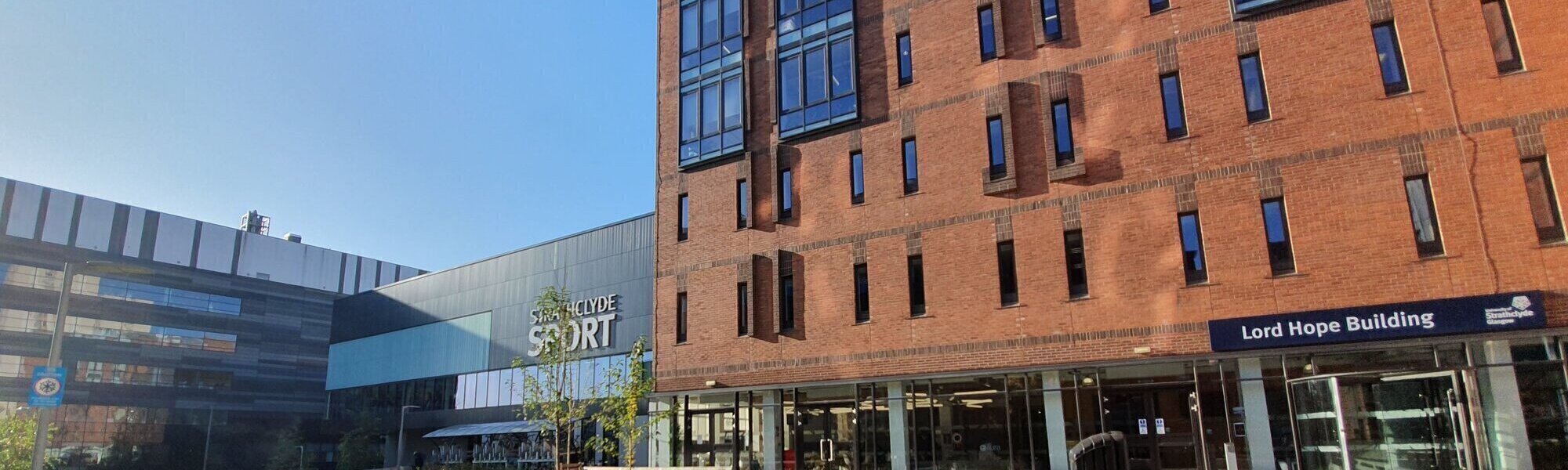
Strathclyde has strong facilities, particularly for education students. Teaching spaces are well-equipped, and there are good access points for study spaces, libraries, and digital resources. The central location also makes it very accessible, which was a real bonus during busy weeks balancing study and placement demands.
Where are you working now?
I am currently working as a Computing Science teacher in a secondary school, teaching across a range of year groups from the Broad General Education through to senior phase qualifications. Since qualifying, I have taken on a very active role within the department and the wider school community, contributing to curriculum development, digital learning initiatives, and a range of enrichment and extracurricular programmes.
Alongside my classroom teaching, I support pupils through study support, mentoring, and targeted interventions, and I am involved in projects that promote engagement, inclusion, and progression within Computing Science. These have included robotics, coding clubs, and initiatives that connect learning to real-world applications and industry pathways.
The transition from teacher education into full-time teaching has been extremely successful. The skills, confidence, and reflective practice developed during my degree meant I felt well-prepared from the outset, and I have been able to make a positive impact quickly — both on pupil attainment and on wider school initiatives. The course provided a strong foundation that has allowed me not only to settle into the role, but to thrive and take on additional responsibility early in my career.
What advice would you give to someone considering applying for this course?
I would absolutely recommend the course. My advice would be to be prepared for a challenging but very rewarding year. Stay organised, be open to feedback, and make the most of placement opportunities—they are where you learn the most.
Most importantly, don’t be afraid to ask for support. The staff at Strathclyde genuinely want you to succeed, and engaging fully with the programme will leave you well-prepared for a career in teaching.