Applied cognition labCollaborations

Cross-Cultural and Inclusive Assessments for Dementia

A collaboration between Peking University and the Applied Cognition Laboratory of the University of Strathclyde
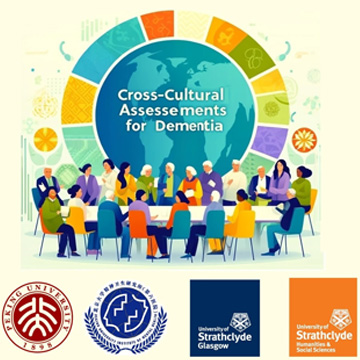
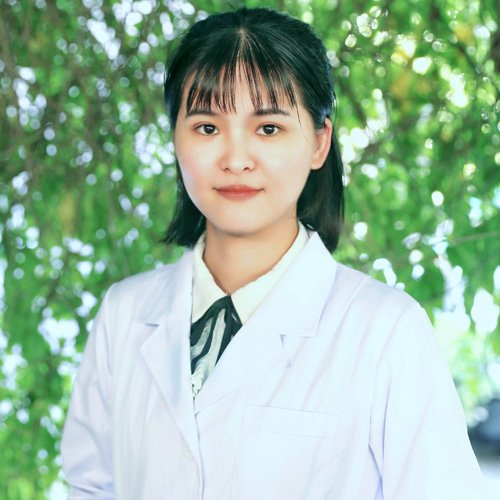
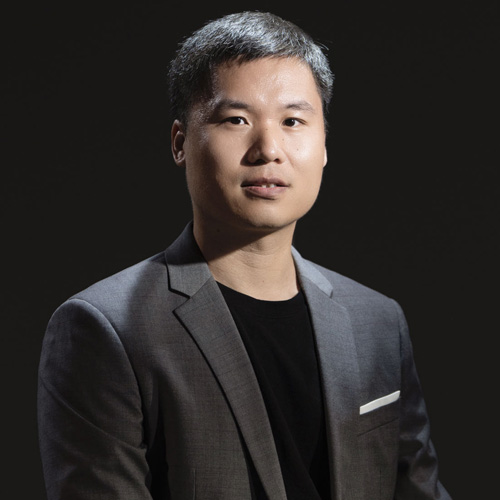
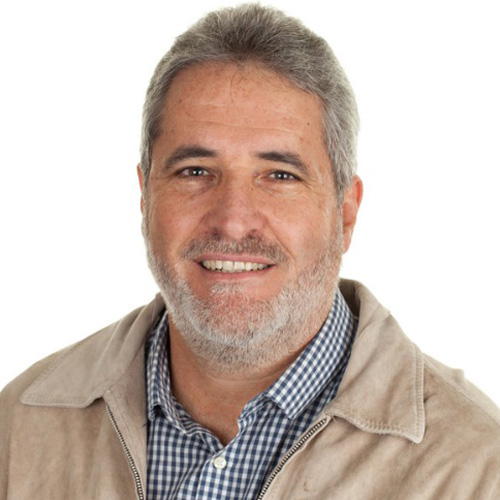
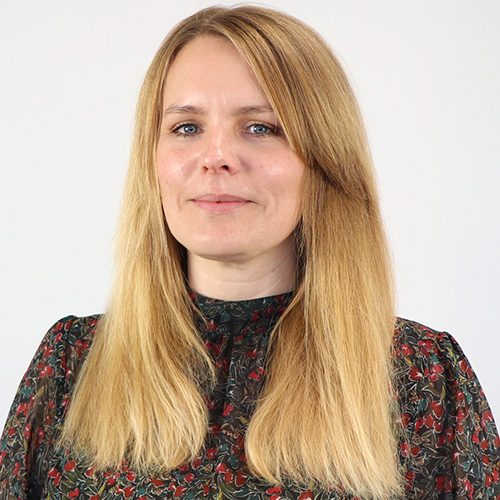
This collaboration aims to advance understanding of the influence of socio-cultural diversity factors on cognitive ageing and dementia risk. The collaboration is led by Professor Huali Wang from Peking University and Professor Mario A Parra from the University of Strathclyde. Their groups have advanced a research agenda that focuses on the investigation of the validity of new neurocognitive assessments in the early detection of cognitive impairments among older adults at risk of Alzheimer's Disease and Related Dementias (ADRD).

Aim

We aim to bring together researchers from the medical, psychological, and engineering sciences at different career stages to explore the project's status and find further collaboration opportunities. We are interested in interdisciplinary collaborations that can yield new culturally valid and inclusive assessments (e.g., neurocognitive biomarkers based on EEG, Eye Tracking, and functional assessments) to identify the continuum of neuropathological events underpinning the transition from normal ageing to dementia.

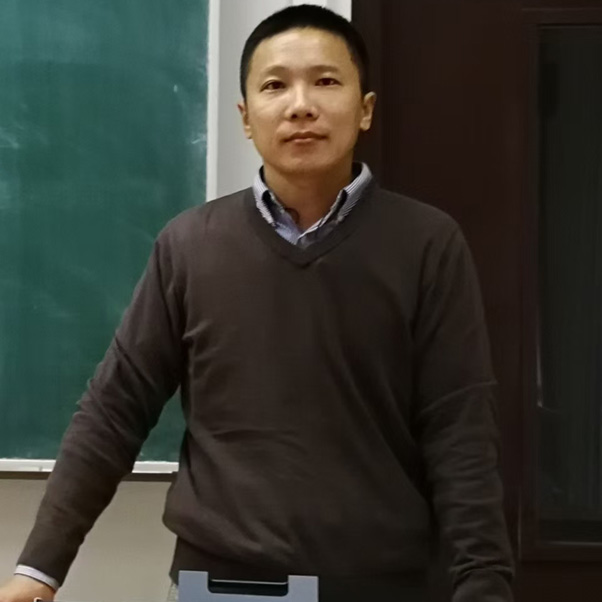
Members of the Collaboration

Activities

Synopsium 1: cross-cultural & inclusive assessments for dementia

On 26 September 2024, the Collaboration Team held a Symposium to explore recent research developments from the involved groups. This network has explored the cross-cultural validity of new forms of assessment, including the Eurolad-EEG project, which brings together higher education institutions from Europe and Latin America to develop new EEG-based biomarkers for the early detection and characterisation of dementia.

Presentations
Member Presentation topic Institution
Prof. Huali Wang Culturally appropriate cognitive screening instrument: validation and nationwide norms Peking University
Dr. Ming Zhang Visuospatial impairment in dementia with Lewy Body Sun Yat Sen University
Dr. Luchun Wang EEG-based cerebral hemispheric dominance in mild cognitive impairment Capital Medical University
Mr. Mang Zhang The neural activity during decision making in mild cognitive impairment Peking University
Dr. Haifeng Zhang The effect of cognitive training on brain functional connectivity in mild cognitive impairment Peking University
Prof. Fengquan Zhang The VR-based eye-tracking apparatus: development and its applicability in early detection Beijing University of Posts and Telecommunications
Prof. Mario A Parra Cross-cultural strategies to fight dementia: from new assessments to global networks University of Strathclyde
Dr. Clara Calia Visual Short-Term Memory Binding in Ethnic Minorities in Scotland University of Edinburgh
Dr. Tamlyn Watermeyer Expanding applicability of the binding construct: evidence from COVID and Down syndrome (The BIND project) University of Northumbria
Ms. Lynsey Stewart Dementia in Autism: How to detect it? University of Strathclyde
Dr. Keith Smith Reliable methods for transient EEG Functional Connectivity in VSTMB reveals differences in Alzheimer's disease University of Strathclyde
Dr. Javier Escudero Temporally and spatially precise changes in EEG recorded during a VSTMB Task in early Alzheimer’s disease University of Edinburgh

Symposium 2: cross-cultural and inclusive approaches to building capacity & developing new technologies for brain health, ageing & dementia

The symposium showcased recent developments in assessments and technologies which can help address cross-cultural gaps in strategies to promote brain health and fight dementia. Researchers from the University of Strathclyde, Peking University, Sun Yat-sen University and the Beijing University of Posts and Telecommunications led discussions on themes such as cognitive and functional assessments, accessible and scalable technologies, human and animal models, and brain health in the continuum from normal ageing to dementia.   
Aim 

To foster international and interdisciplinary collaborations that can develop culturally valid technologies and assessments to support brain health, slow cognitive ageing, and prevent dementia, and support researchers and practitioners across career stages in their efforts to achieve cultural awareness and technology readiness. 

Presentations

Member Presentation topic Institution
Professor Huali Wang  Clinical dementia cohort and neuropsychological profiles of Lewy body dementia Peking University
Professor Xin Yu Understand persons living with dementia: response from different levels Peking University
Professor Mario Parra Theory-driven technologies for assessment and intervention of dementia University of Strathclyde
Professor Roma Maquire Technology to support the delivery of person-centered care to people with dementia and their carers University of Strathclyde
Dr Kieren Egan

Technology to support caregivers

University of Strathclyde
Dr Gaetano Di Caterina

Bio-signal processing and deep learning methods for health and state monitoring, and biomedical applications

University of Strathclyde
Professor Shuzo Sakata

Optical and electrophysiological interrogation of Alzheimer's disease mouse models

University of Strathclyde
Professor Fengquan Zhang 

Research on the Technology of Constructing Emotional Environments Based on Virtual Reality Technology

Beijing University of Posts and Telecommunications
Professor Huali Wang

A machine learning-based model for staging cognitive impairment in population-based practice

Peking University
Mang Zhang, MSc

Progressive failure in learning lessons in mild cognitive impairment: Does it correlate with memory?

Peking University
Dr Nicholas Rattray Translating biological models of the ageing into clinically relevant biomarkers University of Strathclyde
Dr Ming Zhang Comparative Study of EEG Characteristics between Late-Life Depression and Mild Cognitive Impairment  Sun Yat Sen University
Dr Keith Smith Hierarchical Complexity of the Human Structural and Functional Connectome with applications to Preterm Birth and Alzheimer's Disease University of Strathclyde
Professor Fengquan Zhang Emotional Recognition Technology Based on Artificial Intelligence Beijing University of Posts and Telecommunications
Dr William McGeown Sensory stimulation for the treatment and management of Alzheimer's disease University of Strathclyde
Mang Zhang, MSc Cognitive assessment for sub-typing brain pathology in memory clinic cohort Peking University
Dr Ruaridh Clark Centre for Signal & Image Processing (CeSIP) University of Strathclyde

If you would like a copy of the presentations, please contact mario.parra-rodriguez@strath.ac.uk.

Partners

Peking University Institute of Mental Health